Exploring the Complete Interior Design Process Steps

When stepping into the world of interior design, it can feel like embarking on a grand adventure. Each space holds the promise of transformation, a blank canvas waiting to tell a story. But how do we navigate this journey from an empty room to a beautifully curated space? Let’s explore the complete interior design process steps together, breaking down each phase with warmth and clarity. Whether you’re envisioning a cozy home or a dynamic commercial space, understanding this process will empower you to create environments that are both stunning and functional.
Understanding the Interior Design Process Steps
The interior design process is a carefully crafted roadmap that guides the transformation of any space. It’s not just about picking colors or furniture; it’s about creating harmony between aesthetics and practicality. Here’s a friendly walkthrough of the key steps involved:
Initial Consultation and Briefing
This is where the magic begins. We start by discussing your vision, needs, and lifestyle or business goals. What mood do you want the space to evoke? What activities will take place here? This step is all about listening and understanding your unique story.
Site Analysis and Measurement
Next, we take a close look at the space itself. Accurate measurements and an assessment of natural light, architectural features, and existing conditions help us lay the groundwork for design decisions.
Concept Development
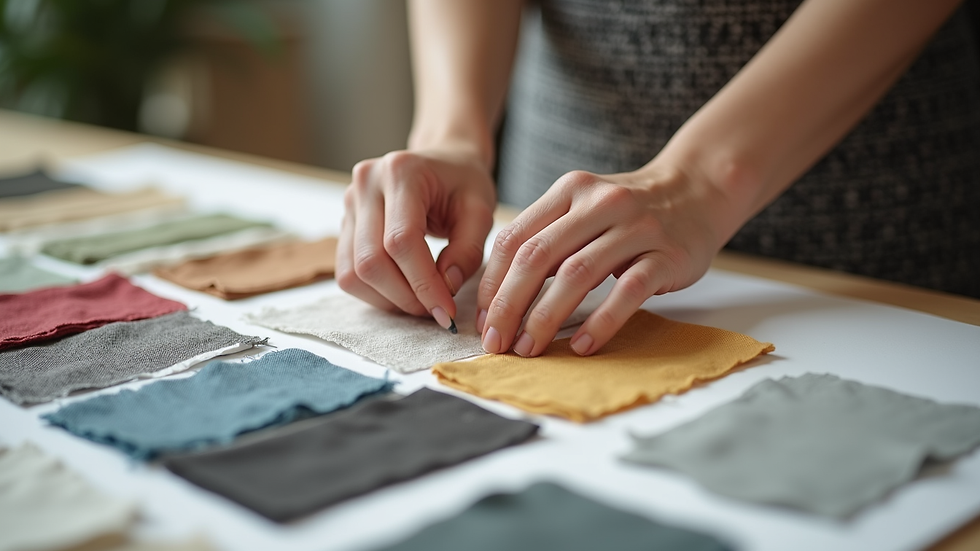
Here, creativity takes center stage. Mood boards, sketches, and color palettes come to life, reflecting the style and atmosphere you desire. This phase is a playground for ideas, where we explore different themes and materials.
Design Development and Planning
Once the concept feels right, we dive into detailed plans. Floor layouts, furniture placement, lighting schemes, and material selections are finalized. This step ensures every element works together seamlessly.
Budgeting and Scheduling
Practicality meets creativity as we outline costs and timelines. Clear budgeting helps avoid surprises, while a well-planned schedule keeps the project on track.
Implementation and Project Management
The design starts to take physical form. Coordination with contractors, suppliers, and craftsmen ensures that the vision is executed with precision and care.
Final Styling and Handover
The finishing touches bring personality and warmth. Accessories, artwork, and textiles add layers of texture and color, making the space truly yours.
Throughout these steps, communication and collaboration are key. It’s a partnership where your input shapes every decision, ensuring the final result feels authentic and inviting.

What is the 3-5-7 Rule in Interior Design?
Have you ever wondered how designers create spaces that feel balanced and harmonious? One handy guideline is the 3-5-7 rule. This simple formula helps distribute colors, textures, and patterns in a way that feels natural and pleasing to the eye.
3: This represents the dominant color or element, covering about 60% of the space. Think of walls, large furniture pieces, or flooring. It sets the overall tone.
5: The secondary color or texture, making up roughly 30%. This could be accent walls, rugs, or curtains that complement the dominant color.
7: The accent color or detail, about 10%. These are the pops of color or unique accessories that add personality and interest.
Using this rule, you can create a layered look that feels cohesive without being overwhelming. For example, in a living room, you might choose a soft gray for the walls (3), navy blue for the sofa and curtains (5), and mustard yellow cushions or artwork (7). This balance invites the eye to move comfortably around the room, creating a sense of flow and unity.
Bringing Your Vision to Life: Practical Tips for Each Step
Knowing the steps is one thing, but how do you make each phase work for you? Here are some actionable recommendations to help you navigate the process smoothly:
During the Initial Consultation: Be open about your lifestyle and preferences. Share photos, Pinterest boards, or magazine clippings that inspire you. The more your designer understands your taste, the better the outcome.
Site Analysis: Take note of natural light at different times of day. This affects color choices and lighting design. Also, consider the flow of movement—how people will use the space daily.
Concept Development: Don’t be afraid to experiment. Mix textures like wood, metal, and fabric to add depth. Use digital tools or apps to visualize color schemes and layouts.
Design Development: Prioritize functionality. For example, in a commercial space, ensure there’s enough room for customers to move comfortably. In a home, think about storage solutions that keep clutter at bay.
Budgeting: Allocate funds wisely. Invest in quality pieces that last, especially for high-use items like sofas or desks. Save on accessories that can be updated easily.
Implementation: Stay involved but trust the professionals. Regular check-ins help catch issues early. Keep a project journal or photo log to track progress.
Final Styling: Layer your space with personal touches. Plants, books, and meaningful objects make a room feel lived-in and loved.
By embracing these tips, you’ll feel confident and excited throughout the journey, knowing each decision brings you closer to your dream space.
Why Understanding the Interior Design Process Matters
You might ask, why is it so important to understand the interior design process? Well, think of it like building a house. Without a solid foundation and clear blueprint, the structure might look good but won’t stand the test of time. The same goes for interiors.
Knowing the process helps you:
Make informed decisions: You’ll understand why certain choices are made and how they impact the overall design.
Manage expectations: Timelines and budgets become clearer, reducing stress and surprises.
Enhance collaboration: When you speak the same language as your designer, communication flows smoothly.
Achieve a personalized space: Your input is valued and integrated, resulting in a space that truly reflects you or your brand.
If you’re curious about what is the interior design process, this knowledge is your first step toward creating spaces that inspire and function beautifully.
Creating Spaces That Reflect Your Purpose and Passion
Every project is a unique story waiting to unfold. Whether it’s a bustling office designed to spark creativity or a serene home that offers refuge from the world, the interior design process steps guide us in crafting spaces that resonate deeply.
Remember, design is not just about aesthetics; it’s about how a space makes you feel and how it supports your daily life or business goals. By embracing the process with openness and enthusiasm, you invite transformation that goes beyond the surface.
So, as you consider your next project, imagine the possibilities. Picture the colors, textures, and light coming together like a symphony. And know that with each step, you’re moving closer to a space that’s not only beautiful but also perfectly you.
Let’s embark on this journey with curiosity and joy, turning dreams into reality one thoughtful choice at a time.


Comments